Courses
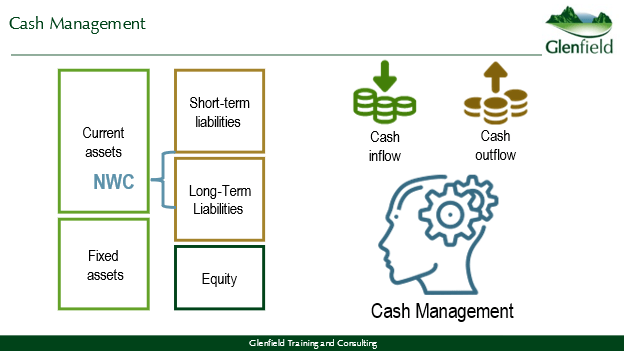
Liquidity management is one of the fundamental pillars of financial management and must exist in every company regardless of its size.
We will start with the basic building blocks related to finance, i.e., the sources of data within financial statements, as they are the basis for management. After the basic elements and building blocks, we move on to the key part of this training – practical liquidity management, ways of monitoring and calculating it, as well as the effects it can have on business.
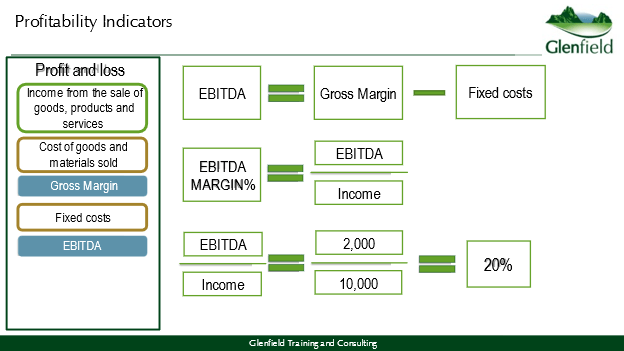
To present the very important area of profitability management in a structured and systematic way, as with the previous module – liquidity management, we will start with basic concepts related to finance and sources of data within financial statements that serve as a basis for managing profitability.
After the introductory part, we will move on to the main content of the training and focus on managing profitability. We will explain profitability indicators, methods of their calculation, but also analyze how achieved profit or loss affects the overall state of the company.
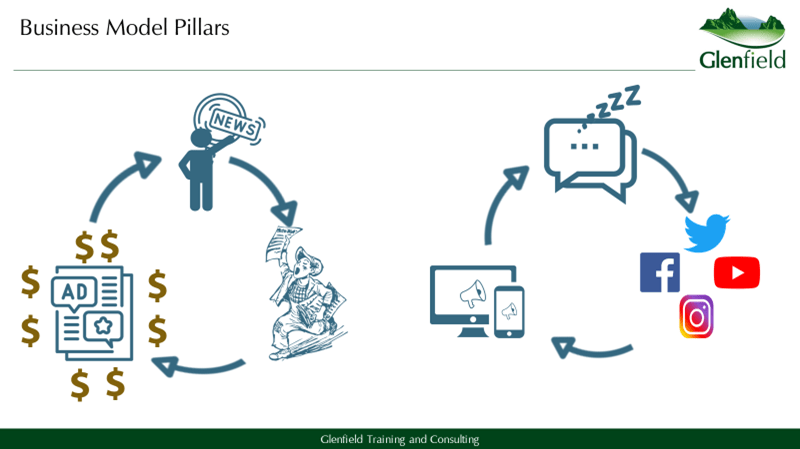
To provide a good foundation for all the topics we will cover at the beginning of this journey, we will explain what a business model actually represents and why it is important to know how to manage it.
Once we are familiar with the concept of a business model, we will explain how to manage it, what the phases are in changing or improving the business model, and how we can effectively implement a new or improved business model.
Of course, in order to implement something, in this case, to properly manage the business model, we must also master some tools.
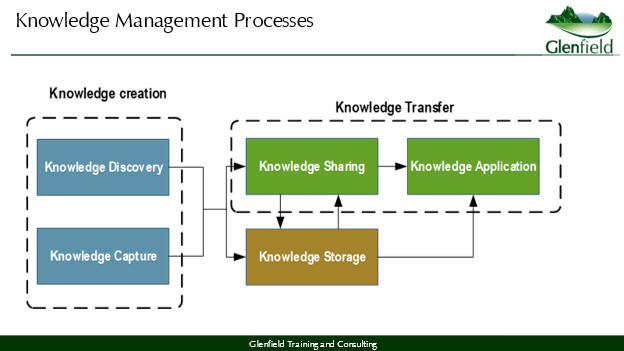
The importance of knowledge for an organization is undeniable, and the most common association with knowledge is its application in situations when a problem arises, whose solution depends on whether the necessary knowledge is available, at the given place and time.
Knowledge management represents a relatively new scientific discipline, but also a broad area that first found its foundation in practice and the need for modern enterprises to face a dynamic environment and turbulent market, and secure their survival and competitiveness.